Nitrogen Inflation Benefits in Suwanee, GA for Japanese & Asian Vehicles
If you drive around Suwanee, Lawrenceville, or elsewhere in Gwinnett County, you know how important healthy tires are for safety and comfort.
Most drivers focus on tread depth and alignment, but tire pressure is just as critical. That is where nitrogen inflation benefits come into the picture.
Nitrogen inflation is not a magic cure for every tire problem, but it can help maintain more stable tire pressure, improve tire life, and support better fuel economy.
At Japanese Auto Repair in Suwanee, GA, we help owners of Toyota, Honda, Lexus, Subaru, Nissan, Mazda, Hyundai, and Kia understand whether nitrogen tire inflation is right for their driving habits and budget.
In this guide, you will learn what nitrogen inflation really does, how it compares to regular air, when it makes sense, and what local Suwanee drivers ask about it most often.
Why Consider Nitrogen in Your Tires?
For most daily drivers in Suwanee, GA, nitrogen inflation is a useful tool to help keep tire pressure more consistent and reduce maintenance headaches.
It is not mandatory, but it can provide measurable benefits, especially when combined with good tire care habits.
Key nitrogen inflation benefits include:
- Slower pressure loss compared to standard compressed air
- More consistent tire pressure across temperature changes
- Potential for longer tire life when pressures stay in spec
- Slight improvements in fuel economy from reduced rolling resistance
- Less moisture and oxidation inside wheels and tire carcasses
Nitrogen will not fix damaged tires, alignment issues, or worn suspension, but it can support overall tire performance when used correctly.
Curious if nitrogen tire inflation in Suwanee, GA is worth it for your Japanese vehicle? Call Japanese Auto Repair at (678) 482-5558 or request an appointment online to discuss your options.
How Nitrogen Inflation Works & Why It Helps
What Is Nitrogen Tire Inflation?
Regular compressed air is already about 78 percent nitrogen, 21 percent oxygen, and a small amount of other gases and moisture.
Nitrogen tire inflation replaces most of the remaining oxygen and moisture with higher‑purity nitrogen gas, usually 90 percent or more.
Shops that offer nitrogen inflation use special equipment to:
- Filter and separate nitrogen from standard air
- Deliver dry, high‑purity nitrogen into your tires
- Sometimes purge and refill to maximize nitrogen concentration
The result is a tire filled mostly with nitrogen rather than a mixed, humid air blend.
Why Nitrogen Holds Pressure Better Than Plain Air
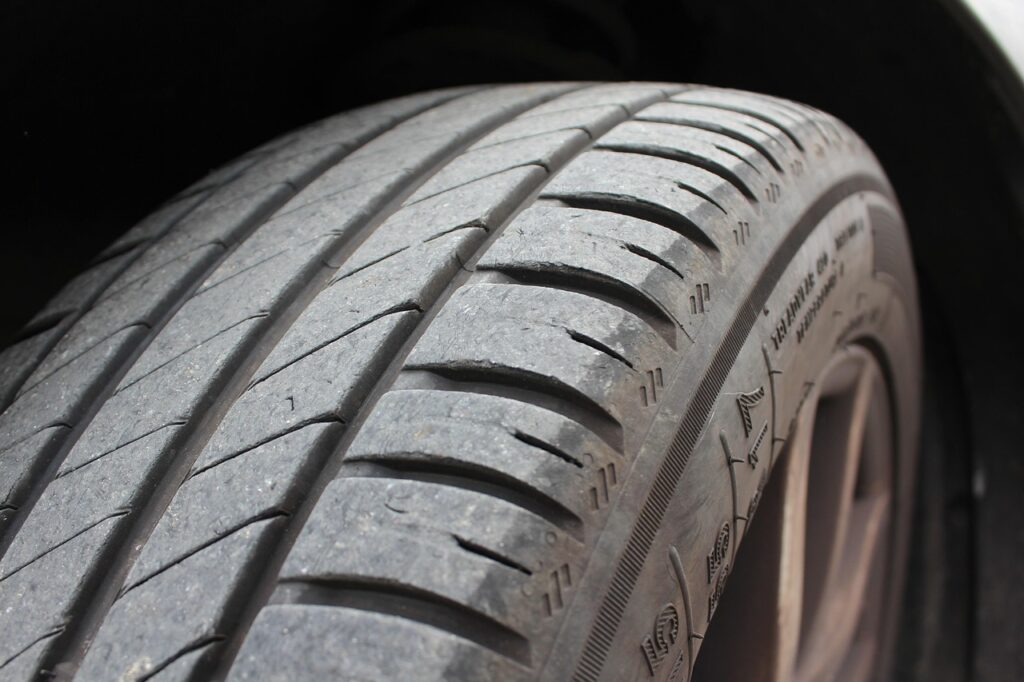
All gases slowly seep through the rubber in tires over time.
However, nitrogen molecules are slightly larger than oxygen molecules, so they move through rubber more slowly.
In practical terms for drivers in Suwanee and Gwinnett County:
- Tires filled with nitrogen often lose pressure more slowly over months
- You may not need to top off as frequently between visits
- Pressure fluctuations from day‑to‑night temperature swings can be less dramatic
This does not mean you can ignore tire pressure checks, but it does make it easier to keep pressures closer to the recommended range.
Moisture Reduction and Wheel Protection
Standard compressed air, even from a good compressor, usually contains some moisture.
When that humid air heats and cools inside a tire, it can:
- Contribute to internal corrosion of steel or aluminum wheels
- Cause slightly larger pressure swings with temperature changes
Nitrogen tire inflation uses dry gas, which:
- Reduces moisture inside the tire
- Minimizes internal corrosion risk, especially over the long term
- Helps tires maintain a more stable internal pressure profile
This can be particularly helpful on high‑value wheels or performance‑oriented Japanese vehicles in Suwanee and surrounding areas.

Ride Quality, Fuel Economy, and Tire Life
The most meaningful benefits of nitrogen inflation for daily drivers come from consistent tire pressure:
- Proper pressure keeps the tire’s contact patch and shape as designed
- Underinflated tires flex more, creating heat and rolling resistance
- Overinflated tires can wear the center tread and reduce grip
By slowing pressure loss and stabilizing pressure over temperature swings, nitrogen supports:
- More predictable handling
- Slight fuel economy gains over the long term
- Even wear patterns that can extend tire life
However, nitrogen is a complement, not a substitute, for regular tire inspections, rotations, and alignments.
Common Causes or Scenarios Where Nitrogen Helps
1. Busy Suwanee Commuter With Limited Time
A Suwanee professional with a long commute on I‑85 and GA‑316 rarely has time to check tire pressure.
They often discover underinflated tires only when a dashboard warning appears.
Switching to nitrogen inflation helps keep pressure more stable between maintenance visits, reducing the risk of running several PSI low for months.
2. Family SUV With Seasonal Temperature Swings
A family in Gwinnett County drives a Honda Pilot that sits outside year‑round.
In fall and winter, cool mornings cause significant tire pressure drops, triggering TPMS lights.
With nitrogen inflation, pressure still changes with temperature, but the swings and gradual losses are reduced, which means fewer surprise warning lights.
3. High‑Mileage Ride Share Vehicle
A ride share driver in Suwanee runs a Toyota Prius every day, logging thousands of miles per month.
They rely on consistent fuel economy and tire wear.
Nitrogen inflation, paired with regular rotations and alignments, helps keep pressures more consistent and supports even tread wear and MPG.
4. Performance‑Oriented Japanese Vehicle
An enthusiast with a Subaru WRX or Nissan 370Z drives spiritedly on weekends and occasionally attends track days.
For them, nitrogen vs air in tires becomes more meaningful because:
- Stable pressures help maintain predictable handling
- Less moisture reduces internal wheel corrosion over time
- Tire temperatures and pressures are easier to manage session to session
5. Occasional Driver or Seasonal Vehicle
Some Suwanee residents keep a weekend car or older Japanese vehicle that sits for long periods.
Standard air can slowly leak out and leave the tires significantly underinflated.
Nitrogen inflation slows pressure loss, so the vehicle is less likely to be dangerously low when it is finally driven.
6. Drivers Sensitive to Fuel Costs
With fuel prices fluctuating in Gwinnett County, some drivers focus on every MPG.
Underinflated tires are a common, avoidable cause of poor fuel economy.
By using nitrogen and regularly verifying pressure, drivers can reduce rolling resistance and support better gas mileage over time.
Steps If You Are Considering Nitrogen Inflation
Step 1: Check Your Current Tire Pressure Habits
Before switching to nitrogen, be honest about your current maintenance routine:
- How often do you check tire pressure in Suwanee or at gas stations?
- Do you only add air when the TPMS light comes on?
- Have you noticed uneven or premature tire wear?
If you rarely check pressure, nitrogen can be a practical upgrade, but you still need occasional checks.
Step 2: Decide Your Goals
Ask yourself what you hope to gain from nitrogen tire inflation benefits:
- Fewer pressure top‑offs
- More consistent ride and handling
- Longer tire life and better fuel economy
- Protection for high‑value wheels
If these match your priorities, nitrogen is worth exploring.
Step 3: Understand the Limitations
Nitrogen inflation is helpful, but it will not:
- Fix punctures, sidewall damage, or cracked wheels
- Correct alignment problems or worn suspension parts
- Replace the need for regular tire rotations and inspections
Think of nitrogen as a way to support good tire health, not replace basic maintenance.
Step 4: When To Use a Professional Shop
You should visit a professional auto repair shop in Suwanee, GA if you:
- Want to fully purge and refill your tires with high‑purity nitrogen
- Have a TPMS light that stays on even after topping up with air
- See uneven wear patterns that suggest deeper issues
- Drive a performance‑oriented or heavily loaded vehicle where tire stability is critical
At Japanese Auto Repair in Suwanee, our technicians can evaluate your tires, explain nitrogen vs air in clear terms, and help you decide based on your vehicle and driving style.
Step 5: Watch for Warning Signs Regardless of Inflation Type
Whether you use air or nitrogen, never ignore:
- Persistent TPMS or low pressure warnings
- Vibrations, pulling, or wobbling at highway speeds
- Visible sidewall cracks, bulges, or punctures
- Rapid or uneven wear on one or more tires
These signs may indicate issues beyond inflation, such as alignment, suspension, or structural damage.
How Japanese Auto Repair in Suwanee, GA Can Help
Japanese Auto Repair has served Suwanee and the greater Gwinnett County community since 1988, focusing on Japanese and Asian vehicles.
We understand how important tire health is for safety, fuel economy, and ride quality on busy roads like Peachtree Industrial Boulevard and nearby highways.
Nitrogen Tire Inflation & Tire Care Services
At our Suwanee shop, we can:
- Provide nitrogen tire inflation for your Japanese or Asian vehicle
- Inspect tire pressure, tread wear, and overall condition
- Perform tire rotations as part of scheduled maintenance
- Check for alignment or suspension issues contributing to abnormal wear
- Integrate nitrogen service with routine oil changes and factory maintenance
To learn more, explore these related services on the Japanese Auto Repair website:
- Comprehensive tire service and/or wheel service for Japanese vehicles
- Alignment and suspension inspections for Suwanee and Gwinnett County drivers
- Scheduled maintenance services tailored to Toyota, Honda, Lexus, Subaru, Nissan, Mazda, Hyundai, and Kia
If you are wondering whether nitrogen inflation benefits are worth it for your car, our ASE certified team can review your driving habits and give you straightforward guidance.
Prevention Tips: Getting the Most From Nitrogen in Tires
To truly benefit from nitrogen tire inflation in Suwanee, you still need consistent habits.
Combine nitrogen with these best practices for the best results:
- Check tire pressure at least once a month, even with nitrogen
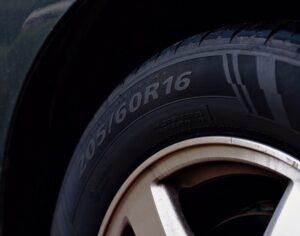
- Always set pressures to the values listed on the driver’s door jamb, not the sidewall
- Rotate tires at the intervals recommended in your owner’s manual
- Have alignment checked if you notice pulling or uneven wear
- Avoid hitting potholes, curbs, and parking blocks that can damage tires and wheels
- Address any TPMS warnings or pressure issues promptly, not months later
By treating nitrogen inflation as part of a complete tire care strategy, you can extend tire life, improve safety, and make the most of every mile in Suwanee and throughout Gwinnett County.
Nitrogen Inflation FAQs in Suwanee, GA
Is nitrogen tire inflation really worth it for daily drivers in Suwanee, GA?
For many Suwanee and Gwinnett County drivers, nitrogen inflation is a helpful upgrade, especially if they are not diligent about checking tire pressure.
It helps slow pressure loss and can support better tire life and fuel economy, but it is most effective when combined with regular tire inspections and rotations.
How much does nitrogen tire inflation cost in Suwanee?
Pricing varies by shop and the tire size or number of tires.
Most drivers can expect nitrogen inflation to cost more than standard air but still be modest compared to overall tire expenses.
At Japanese Auto Repair, we clearly explain nitrogen pricing before service, so Suwanee customers know exactly what they are paying for.
Can I mix nitrogen and regular air in my tires?
Yes, mixing is physically safe.
However, once you add regular air, you reduce the nitrogen percentage and lose some of the potential benefits, such as slower pressure loss and reduced moisture.
If you are in a pinch, you can top off with air, then have your tires properly re‑inflated with nitrogen at your next visit in Suwanee.
Do nitrogen‑filled tires still need regular pressure checks?
Absolutely. Nitrogen slows pressure loss but does not stop it completely.
You should still check your tire pressure at least once a month and before long highway trips around Georgia.
This is true regardless of whether you use nitrogen or regular air.
Will nitrogen in tires improve my fuel economy in Gwinnett County?
Improved fuel economy comes mainly from maintaining proper tire pressure, not from the nitrogen itself.
Nitrogen inflation can help by keeping pressures more consistent over time, which reduces rolling resistance.
Many Suwanee drivers see small but meaningful gains when they combine nitrogen with good tire maintenance habits.
Is nitrogen inflation better for high‑performance or luxury Japanese vehicles?
Performance‑oriented vehicles like certain Subaru, Lexus F‑Sport, or Infiniti models can benefit more noticeably from nitrogen inflation.
These vehicles are often more sensitive to tire pressure changes, and drivers may push them harder.
In such cases, nitrogen helps maintain consistent handling and protects expensive wheels from internal corrosion.
Can Japanese Auto Repair recommend whether nitrogen is right for my car?
Yes. Our ASE certified technicians in Suwanee will review your vehicle type, driving habits, and tire condition.
We will explain nitrogen inflation benefits and limitations clearly and help you decide if it is a smart choice for your situation in Gwinnett County.
Ready to explore nitrogen tire inflation benefits in Suwanee, GA? Call Japanese Auto Repair at (678) 482-5558 or book your tire service online today. We proudly serve Suwanee, Lawrenceville, and the greater Gwinnett County area with expert care for Japanese and Asian vehicles.